Ayurvedic Diabetes Treatment: cure diabetes through ayurvedic

Ayurvedic Diabetes Treatment 

Ayurveda as a complementary treatment for Diabetes, it’s important to do so under the guidance of a qualified healthcare professional. Relying solely on ayurvedic without seeking proper medical diagnosis and treatment could potentially lead to negative health outcomes. Always prioritize evidence-based medical care, especially for conditions that have potential implications for your health and well-being.

Submit your contact information to get a FREE CALL from our Professionals

Let’s take a step towards alleviating varicocele naturally

OR CALL

Hurry up, we have only limited slots

Why Choose PureVedicLife?

33

Free Home Delivery – Ayurveda at Your Doorstep

Get Ayurvedic medicines & wellness products delivered for free, right to your doorstep.
34 1

Root Cause Treatment – Heal from Within

Heal from within! Our personalized Ayurveda therapies address the root cause of your health concerns.

35 1

Online & In-Clinic Consultation – Health Anytime, Anywhere

Talk to expert Ayurvedic doctors anytime, anywhere—via video call or in-person visits.

36 1

Dedicated Follow-Up Support – Your Healing Partner

We monitor your progress and guide you throughout your healing journey.

37 1

100% Natural, Herbal & Safe Products

Pure Ayurvedic products made from natural herbs for effective and safe treatment.

100% Refund Policy

Your Satisfaction, Guaranteed!

Untitled design 5

What is Diabetes

Diabetes is a chronic medical condition that affects how your body processes glucose (sugar), the primary energy source for your cells. Glucose comes from your foods and is carried by your blood to your cells for energy. To enter your cells, glucose requires a hormone called insulin. Diabetes is a group of prevalent endocrine diseases characterized by high blood sugar levels. Diabetes disease occurs when blood sugar, or glucose levels, are too high. Glucose in the blood is the major energy source, derived from the foods you eat. The pancreas makes insulin, a hormone that helps glucose from the food enter your cells to be used as energy. Your body sometimes & produces enough or isn’t able to use insulin properly. Your blood glucose remains in your body and doesn’t reach your cells. As the amount of glucose in your blood rises over time, you can develop health problems if you do not take action. Despite the fact that diabetes has no treatment, there are steps you can take to manage your diabetes and stay healthy.

Types of Diabetes

Type 1 Diabetes

Type 1 diabetes is also known as juvenile diabetes. It is an auto-immune disease that originates from the cells that make insulin destroyed by the immune system. Type 1 diabetes begins suddenly and also in childhood or adolescence. The primary factor of type 1 diabetes is high blood sugar, which manifests in children in a few days to increase urination.

Type 2 Diabetes

Type 2 diabetes is a medical condition that arises from difficulties in the body’s ability to regulate blood sugar, leading to insufficient insulin production. While Type 2 diabetes mostly affects older adults, it’s important to note that both types of diabetes can also manifest during childhood.

Gestational Diabetes

Gestational diabetes is a type of diabetes that develops during pregnancy. It occurs when the body cannot produce enough insulin to meet the increased needs during pregnancy. Insulin is a hormone that helps regulate blood sugar (glucose) levels. Gestational diabetes usually develops in the second half of pregnancy, typically around the 24th to 28th week.

Prediabetes

Prediabetes is when a person’s blood sugar levels are higher than usual but not yet high enough to be diagnosed as type 2 diabetes. It’s a warning sign that an individual is at an increased risk of developing diabetes in the future. Lifestyle changes, such as healthier eating and increased physical activity, can help prevent or delay the progression to full-blown diabetes in people with prediabetes. Monitoring blood sugar and working with a healthcare provider to manage this condition is essential.

Diabetes Overview 1 768x768 1

Glucose, often referred to as the body’s primary energy source, plays a pivotal role in sustaining life. It is intricately tied to the balance between rest and activity, energy metabolism, and glucose regulation through insulin. However, when disrupted by poor dietary choices and an insufficient supply of insulin, a hormone responsible for glucose up take in cells, diabetes can emerge as a significant health concern. 

It underscores the importance of maintaining a delicate equilibrium, where both physical activity and dietary choices are crucial in preventing and managing this chronic condition. Neglecting these key factors can lead to diabetes, which, when uncontrolled, can have serious health consequences. Nowadays an estimated 422 million people have diabetes worldwide, accounting for 10.5 % of the adult population. T There are two types of diabetes: type 1 diabetes (T1D) and type 2 diabetes (T2D). Mostly, diabetes is chronic but can be manageable with medications.


Cause of Diabetes?

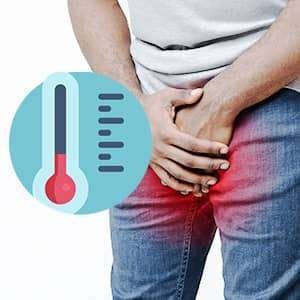
testicles temperature

Type 1 Diabetes

The loss of B cells is the root cause of Type 1 diabetes, As they are the sole insulin-producing cells in the body, leading to a gradual Insulin deficiency. The potential factors contributing to Type 1 diabetes may Involve genetics, virus exposure, and other environmental elements.
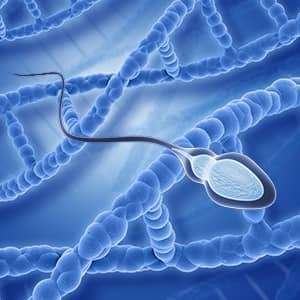
sperm dna damage

Type 2 Diabetes

Two primary factors contribute to Type 2 diabetes: Inadequate insulin production by the pancreas and impaired regulation of sugar movement by hormones. The condition can be managed through weight loss, a balanced diet, and regular exercise. If these measures prove inadequate incontrolling blood sugar levels, healthcare professionals may suggest diabetes medications and insulin therapy.

lowered testosterone levels

Gestational Diabetes

During pregnancy, the placenta produces hormones that can interfere with the body's ability to use insulin effectively, leading to insulin resistance. If the pancreas cannot produce enough insulin to compensate for this resistance, it results in elevated blood sugar levels.
reduced semen quality

Prediabetes

The causes of prediabetes include insulin resistance, genetic factors, unhealthy lifestyle choices (such as poor diet and lack of exercise), and age-related risk. Managing these factors through healthier living can help prevent or delay the progression to full-blown diabetes.

Symptoms of Diabetes?

diabetes symptoms

Diabetes Symptoms

Recognize These Early Warning Signs:

neuropathy

Diabetic Neuropathy

Elevated sugar levels can harm blood vessel walls, leading to nerve damage, which may manifest as tingling, burning sensations, and pain that often starts in the fingers and toes.

 
retinopathy

Diabetic Retinopathy

Diabetes can cause damage to the blood vessels in the eye, potentially resulting in vision impairment or blindness.

 
nephropathy

Diabetic Nephropathy

The kidneys contain numerous clusters of blood vessels responsible for filtering waste from the blood, and diabetes can harm this delicate filtration system.

 
cardiovascular

Cardiovascular disease

Diabetes generally increases the risk of heart problems, including artery disease with chest pain, heart attack, and strokes.

The Sexual problem in men

Diabetes can cause injury to both blood vessels and nerves and limit blood flow to your reproductive organs, potentially leading to a loss of sensation.

damaged foot

Damaged Foot

Diabetes can lead to nerve damage in the feet and reduced blood circulation, giving rise to various foot-related complications.


The sexual problem in women

Diabetes can restrict blood flow to your sexual organs, can result in difficulty becoming aroused and may contribute to erectile dysfunction, also known as impotence.

 
complications associated
oligospermia icon 1

1. Oligospermia

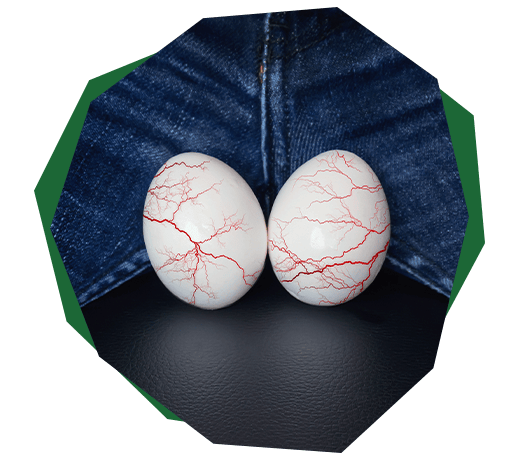
Varicocele-related venous congestion raises the temperature in the scrotum, which is thought to have an impact on spermatogenesis. Blood that has been reabsorbed from the renal vein contains powerful hormones that are synthesised by the adrenal glands, such as corticosteroids and adrenaline, which can inhibit spermatogenesis.

hydrocele icon 1

2. Hydrocele

A hydrocele is an accumulation of fluids inside the scrotum (testicle sac) in the fold of the mucous membrane that surrounds the testicle. It is the most prevalent complication of varicocele and results from the ligation of lymphatic vessels. Typically, one or both testicles will swell up without any pain.

Varicoceles are typically felt as a collection of dilated veins above the testicle, which are sometimes compared to feeling like a “bag of worms.” The above-mentioned are a few associated complications.

Cure Diabetes

smoking

Smoking

Smoking is bad for diabetes because it worsens blood sugar control, increases the risk of complications like heart disease, slows wound healing, and can lead to more severe health issues for individuals with diabetes. Quitting smoking is crucial for better diabetes management and overall well-being.

 
alcohol

Alcohol

Alcohol can lead to blood sugar fluctuations and impaired judgment, making diabetes management challenging. It can interact with diabetes medications and contribute to weight gain. Excessive drinking can increase the risk of low blood sugar and strain the liver, impacting blood sugar control. Individuals with diabetes need to approach alcohol consumption with caution and seek guidance from healthcare professionals.

 
unhealthy diet

Unhealthy diet

An unhealthy diet is high in sugar, refined carbs, and saturated fats can lead to blood sugar spikes, making diabetes more complicated to manage. It can contribute to obesity and insulin resistance, worsening the condition. Poor diet choices increase the risk of diabetes-related complications, such as heart disease and kidney problems.

 
generic

Genetic diabetes

This is a special kind of diabetes that happens because of changes in a person’s genes. It’s not related to things like eating habits or being overweight. This type of diabetes usually starts when a person is young. It can be treated with medicine or insulin, depending on the specific gene problem. Genetic testing can help find the exact gene issue causing this type of diabetes.

 
age related

Age-related diabetes

This is often referred to as type 2 diabetes and is more common in adults, particularly as they age. It’s linked to genetics, lifestyle choices, diet, and physical activity. As people age, their risk of developing type 2 diabetes increases, and maintaining a healthy lifestyle becomes crucial in managing and preventing this condition.

environmental

Environment

These factors, including lifestyle and diet, can significantly contribute to developing type 2 diabetes. High sugar, high-fat diets, lack of physical activity, and obesity are critical environmental risk factors. These factors can lead to insulin resistance and disrupted blood sugar control, making healthy lifestyle choices essential in preventing and managing this type of diabetes.


Guard Your Well-Being With These Precautions

tips img

Get FREE Consultation

GET IN TOUCH TO GET STARTED FASTER

Give us a ring

+91 88103 74294

Our Media Partners

Get FREE Consultation

We are ready to help you. Fill out the form below to get started.

Alternatively you can contact us at: info@purevediclife.com
* We don’t share your information with third party.