Ayurvedic Joint Pain Treatment:

Natural Healing for Pain-Free Movement

Move Freely with Holistic Ayurvedic Care

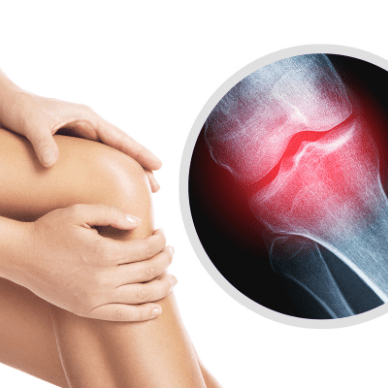
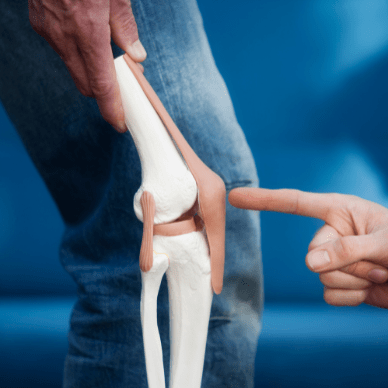
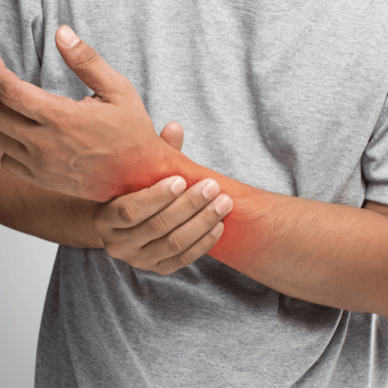
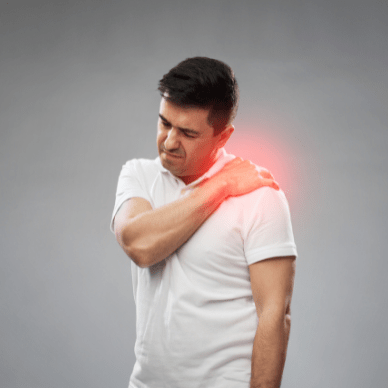
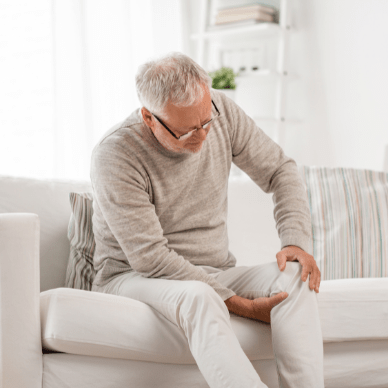
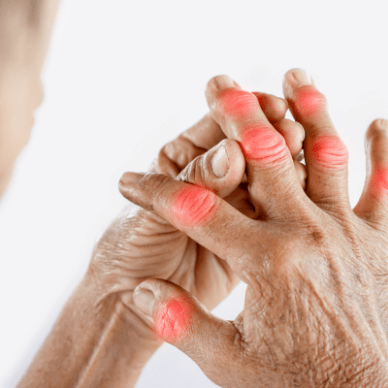
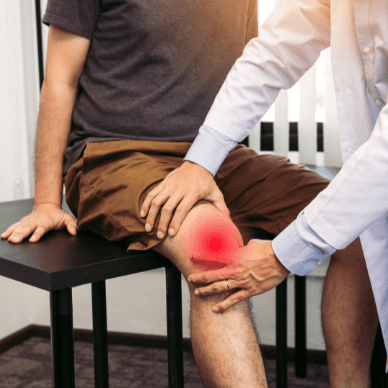
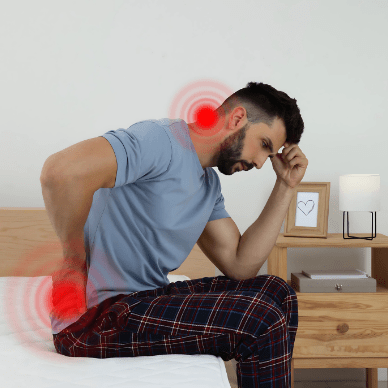
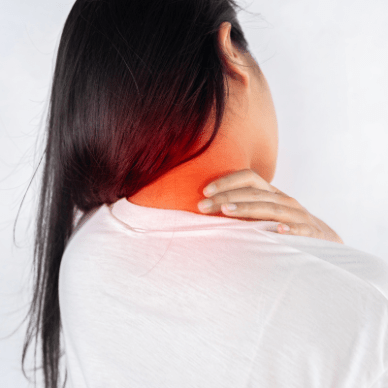
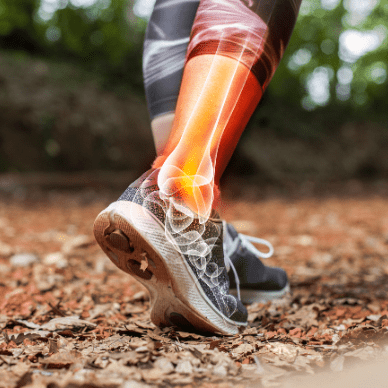
Joint pain refers to discomfort, stiffness, swelling, or inflammation in one or more joints. It commonly occurs due to arthritis, injury, age-related wear and tear, autoimmune conditions, or lifestyle factors. Diagnosis depends on symptoms, physical examination, and imaging tests. Ayurvedic care supports joint health by reducing inflammation, improving circulation, and balancing underlying dosha imbalances under professional guidance.

Submit your contact information to get a FREE CALL from our Professionals

Let’s take a step towards alleviating Asthma naturally

OR CALL

Hurry up, we have only limited slots

Why Choose PureVedicLife?

33

Free Home Delivery – Ayurveda at Your Doorstep

Get Ayurvedic medicines & wellness products delivered for free, right to your doorstep.
34 1

Root Cause Treatment – Heal from Within

Heal from within! Our personalized Ayurveda therapies address the root cause of your health concerns.

35 1

Online & In-Clinic Consultation – Health Anytime, Anywhere

Talk to expert Ayurvedic doctors anytime, anywhere—via video call or in-person visits.

36 1

Dedicated Follow-Up Support – Your Healing Partner

We monitor your progress and guide you throughout your healing journey.

37 1

100% Natural, Herbal & Safe Products

Pure Ayurvedic products made from natural herbs for effective and safe treatment.

100% Refund Policy

Your Satisfaction, Guaranteed!

Untitled design 5

Overview

Joint pain can range from mild discomfort to severe chronic pain and may vary depending on its cause. Common triggers of joint pain include arthritis, injuries, overuse, age-related wear and tear, autoimmune conditions, poor posture, obesity, or underlying health issues. Typically, the diagnosis of joint pain involves reviewing medical history, conducting a physical examination, and sometimes using imaging tests like X-rays, MRI, or blood tests to identify the root cause.


These diagnostic methods play a crucial role in determining the type and severity of joint pain. Once identified, joint pain is manageable with the right treatment. Common approaches may include pain relievers, anti-inflammatory medications, physical therapy, lifestyle modifications, or natural remedies that support joint strength, flexibility, and mobility.

What are the Symptoms of Joint Pain?

oint pain symptoms can differ from person to person. Some individuals may experience occasional pain or discomfort during specific activities, while others may have ongoing pain that affects their daily life.

Common symptoms of joint pain may include:

Untitled design 21

Types of Joint Pain


Untitled design 22

Osteoarthritis

This is the most common type of joint pain caused by wear and tear of cartilage, leading to stiffness, swelling, and pain in joints like knees, hips, and hands.


Untitled design 23

Rheumatoid Arthritis

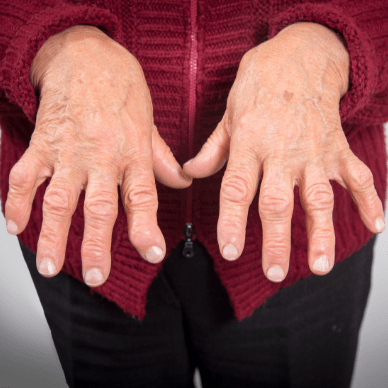
An autoimmune condition where the immune system attacks the joints, causing inflammation, swelling, and joint deformities.

Untitled design 24

Gout

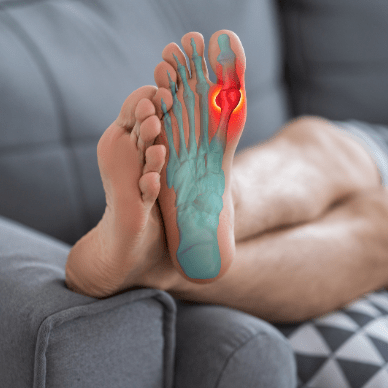
A type of arthritis caused by uric acid crystal buildup in the joints, often leading to sudden and severe pain, commonly in the big toe.

Untitled design 25

Post-Traumatic Joint Pain

Develops after an injury such as a fracture or ligament tear, leading to long-term stiffness and discomfort in the affected joint.

Untitled design 26

Injury-Related Joint Pain

Joint pain caused by accidents, fractures, or ligament injuries. It may result in swelling, limited movement, and long-term discomfort if not treated properly.

Untitled design 27

Age-Related Joint Pain

As people age, joints naturally lose flexibility and strength. This leads to stiffness, chronic pain, and difficulty in performing daily activities.

Untitled design 28

Infectious Arthritis

Joint pain caused by bacterial or viral infections. It often results in sudden swelling, redness, fever, and severe pain in the affected joint.


Untitled design 29

Bursitis

Inflammation of the fluid-filled sacs (bursae) around the joints, usually caused by repetitive movements. It commonly affects the shoulder, elbow, and hip.

Untitled design 30

Psoriatic Arthritis

A type of arthritis linked with psoriasis, causing joint pain, swelling, and stiffness along with skin symptoms like red, scaly patches.

Untitled design 31

Lupus Arthritis

An autoimmune condition where the immune system attacks tissues, leading to joint pain, swelling, fatigue, and inflammation in multiple joints.

.

Untitled design 32

Fibromyalgia

A chronic disorder that causes widespread muscle and joint pain, along with fatigue, sleep problems, and tender points around the joints.

Untitled design 33

Tendinitis

Inflammation of tendons around the joints, usually caused by overuse or repetitive motion. It commonly affects shoulders, elbows, and knees.

Untitled design 34

Reactive Arthritis

Joint pain triggered by an infection in another part of the body. It often affects the knees, ankles, and feet, causing pain and stiffness.

Untitled design 35

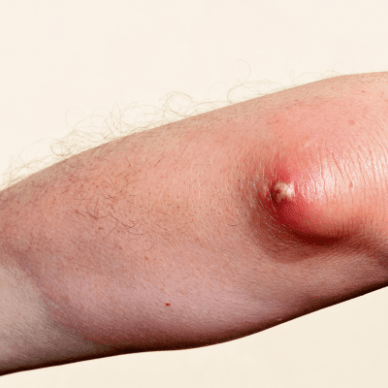
Septic Arthritis

A serious infection inside the joint caused by bacteria. It leads to sudden pain, swelling, fever, and requires immediate medical treatment.

.

Untitled design 46

Injuries

Accidents, sprains, or fractures can damage the joints, leading to pain and limited movement.

Untitled design 1 1

Arthritis

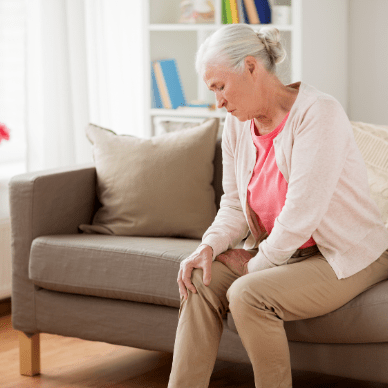
Conditions like osteoarthritis, rheumatoid arthritis, and gout are common causes of chronic joint pain.
Untitled design 2 1

Age Factor

With aging, joints naturally lose flexibility and cushioning, causing stiffness and discomfort.
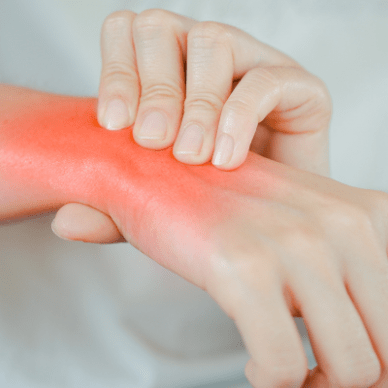
Untitled design 3 1

Overuse

Repetitive movements or excessive physical activity can strain joints and cause pain.
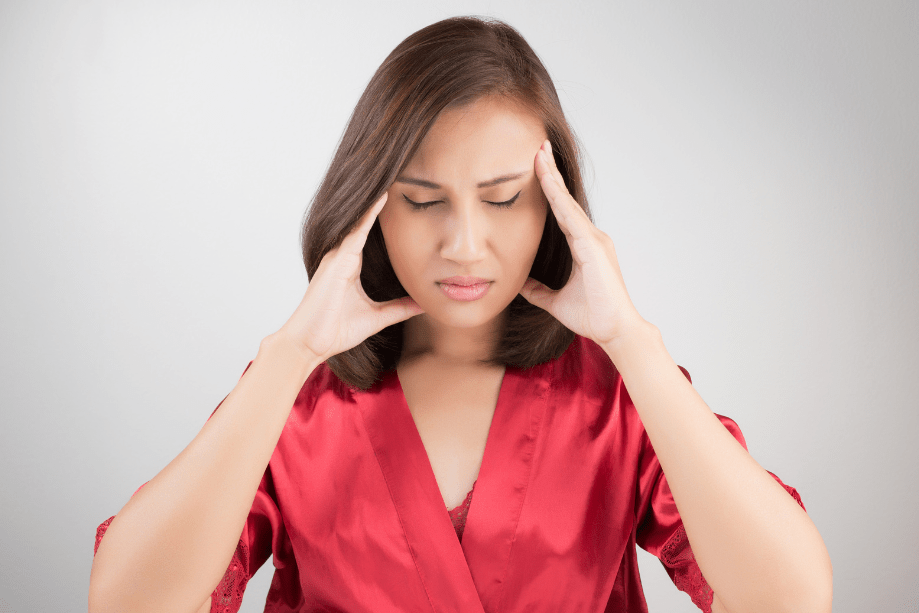
Protect Your Joint Health

Untitled design 36

Overuse & Strain

  • Repetitive movements

  • Heavy lifting

  • Intense workouts

  • Poor posture

Untitled design 37

Weather Changes

Cold and damp climate

Sudden temperature drops

Humidity affecting flexibility

Untitled design 38

Diet & Lifestyle

  • High uric acid foods

  • Obesity adding pressure on joints

  • Lack of exercise & sedentary lifestyle

Untitled design 39

Medical Conditions

  • Arthritis (osteoarthritis, rheumatoid arthritis, gout)

  • Autoimmune disorders (lupus, psoriatic arthritis)

  • Infections causing joint swelling

Untitled design 40

Hormonal Changes

  • Fluctuations in hormones (like during menopause) can increase joint stiffness and pain.

  • Low estrogen levels may reduce bone and joint protection.

Untitled design 41

Medications

  • Certain drugs, like statins (used for cholesterol), may cause muscle and joint aches.

  • Overuse of steroids can weaken bones and joints, leading to pain.

Untitled design 42

Poor Nutrition

  • Lack of Vitamin D, Calcium, and Omega-3 fatty acids can make joints weaker.

  • High intake of processed or sugary foods may worsen inflammati

Untitled design 43

Stress & Lack of Sleep

  • Chronic stress increases inflammation and pain sensitivity.

  • Poor sleep reduces healing, leading to worsening joint pain

Untitled design 44

Food Sensitivities

  • Certain food intolerances may cause inflammation and joint discomfort (less common).


Preventing joint pain requires adopting healthy lifestyle habits and protective measures to lower the risk of developing chronic conditions or to reduce discomfort in those already experiencing pain. Maintaining a healthy weight, eating a balanced diet rich in calcium and vitamin D, staying physically active, and practicing proper posture are vital preventive strategies. Avoiding injuries by warming up before exercise, using joint support when needed, and not overstraining the body also helps protect joint health.

Creating an ergonomic work environment, managing stress, and ensuring adequate sleep can further reduce the chances of joint stiffness and pain. Limiting high-purine foods that trigger gout, staying hydrated, and avoiding excessive alcohol intake are also important for prevention. Regular medical check-ups, along with early management of arthritis or autoimmune disorders, can significantly improve long-term joint health. While joint pain may not be completely preventable in all cases, these steps can greatly reduce the risk and improve quality of life. Seeking professional guidance is essential for customized preventive strategies based on individual needs.

Untitled design 45

Complications Associated With Chronic Joint Pain

If left unmanaged, chronic joint pain may lead to:

  • Permanent joint stiffness

  • Reduced mobility and flexibility

  • Muscle wasting around joints

  • Sleep disturbances

  • Reduced quality of life

Early intervention helps slow progression and improve daily functioning.

How Joint Pain Is Diagnosed

Diagnosis depends on severity, duration, and associated symptoms. It may include:

  • Detailed medical history

  • Physical examination of joints

  • Imaging tests (X-ray, MRI, CT scan)

  • Blood tests for inflammatory or autoimmune markers

Accurate diagnosis helps determine whether pain is mechanical, inflammatory, or systemic in nature.

Ayurvedic Perspective on Joint Pain

According to Ayurveda, joint pain primarily results from Vata dosha imbalance, sometimes combined with Ama (toxic metabolic waste) accumulation in joints.

Imbalanced Vata leads to:

  • Dryness in joints

  • Reduced lubrication

  • Pain during movement

  • Cracking or stiffness

Ayurvedic care focuses on restoring balance, improving digestion, and supporting joint nourishment rather than suppressing symptoms.

Ayurvedic Approach to Joint Pain Relief

Ayurvedic management of joint pain is supportive and complementary, guided by individual assessment.

Key principles include:
  • Pacifying aggravated Vata dosha

  • Improving circulation to affected joints

  • Reducing inflammation naturally

  • Supporting joint strength and flexibility

Common supportive measures may include:
  • Herbal formulations aimed at joint comfort

  • Oil-based external therapies (Abhyanga)

  • Mild heat or steam therapy (Swedana)

  • Dietary adjustments to reduce inflammation

  • Lifestyle modifications to prevent stiffness

All therapies should be followed under qualified supervision and alongside appropriate medical advice when needed.

Lifestyle & Self-Care Tips for Joint Health

  • Maintain a healthy body weight

  • Practice gentle joint-friendly exercises

  • Avoid prolonged sitting or inactivity

  • Follow a warm, easily digestible diet

  • Manage stress levels

  • Maintain proper posture

Consistency in daily habits plays a significant role in long-term joint comfort.

When to Consult a Doctor or Specialist

  • Seek professional evaluation if you experience:

    • Severe or sudden joint pain

    • Persistent swelling or redness

    • Fever along with joint pain

    • Joint deformity or loss of movement

    • Pain following injury or trauma

    Ayurvedic care can complement medical management but should not replace essential diagnostics.

Frequently Asked Questions (FAQs)

Get FREE Consultation

GET IN TOUCH TO GET STARTED FASTER

Give us a ring

+91 88103 74294

Our Media Partners

Get FREE Consultation

We are ready to help you. Fill out the form below to get started.

Alternatively you can contact us at: info@purevediclife.com
* We don’t share your information with third party.